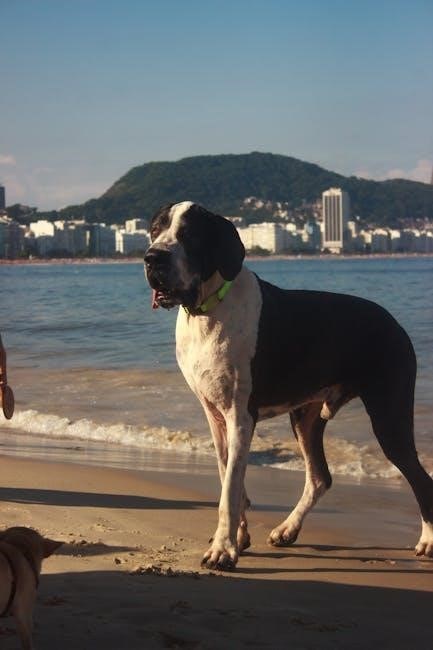
Great Dane Feeding Guide: A Comprehensive Overview
Navigating Great Dane nutrition requires understanding their rapid growth and susceptibility to bloat. Proper feeding schedules, portion control, and food choices are essential for a healthy life.
Understanding the Unique Nutritional Needs of Great Danes
Great Danes, as a giant breed, possess distinct nutritional requirements differing significantly from smaller dogs. Their rapid growth phase as puppies demands a carefully balanced diet to support healthy skeletal development and prevent orthopedic issues. Protein is crucial, but excessive calcium and energy can contribute to developmental orthopedic diseases.
Maintaining a lean body condition is paramount, as obesity exacerbates joint problems common in the breed. Great Danes are prone to bloat (gastric dilatation-volvulus), a life-threatening condition, making multiple smaller meals preferable to one large feeding. Understanding these unique needs—controlled growth, lean physique, and bloat prevention—forms the foundation of a successful feeding strategy for your Great Dane.
The Importance of a Structured Feeding Schedule
Establishing a consistent feeding schedule is vital for Great Danes, offering numerous benefits beyond simply providing nourishment. Regular mealtimes aid in digestion and help regulate their system, minimizing the risk of bloat – a critical concern for this breed. Typically, two daily meals are recommended for adult Danes, promoting a slower, more controlled intake.
Predictability reduces anxiety and can assist with housetraining. Puppies require more frequent feedings, gradually transitioning to an adult schedule. Sticking to a routine allows for easier monitoring of appetite changes, which can signal underlying health issues. A structured approach ensures optimal nutrient absorption and overall well-being.
Feeding a Great Dane Puppy (8-12 Weeks)
During the 8-12 week phase, Great Dane puppies require frequent, nutrient-rich meals to support their rapid growth. Typically, puppies at this stage consume around two to three cups of food daily, divided into two or three smaller meals. This prevents overwhelming their developing digestive systems.
Choosing a high-quality puppy food formulated for large breeds is crucial, ensuring appropriate calcium and phosphorus levels for healthy bone development. Monitor your puppy’s body condition closely; they should be growing steadily but not excessively. Avoid free-feeding, as it can lead to overeating and potential skeletal issues. Consistent feeding times are also beneficial.
Quantity of Food for 8-12 Week Old Puppies
Determining the precise food quantity for an 8-12 week old Great Dane puppy requires careful consideration of their individual growth rate and weight. Generally, a puppy weighing between 15-25 pounds will need approximately 2 to 3 cups of puppy food per day. However, this is a guideline, and adjustments are often necessary.
Always refer to the feeding guidelines on your chosen dog food packaging, but remember these are starting points. Observe your puppy’s body condition – you should be able to feel their ribs easily, but they shouldn’t be prominently visible. Divide the daily amount into multiple meals to aid digestion and prevent rapid growth spurts.
Frequency of Meals for Young Puppies
Young Great Dane puppies, between 8-12 weeks old, benefit significantly from frequent, smaller meals throughout the day. Typically, offering food three to four times daily is recommended to support their rapid growth and prevent hypoglycemia, or low blood sugar. This frequent feeding schedule also aids in proper digestion and minimizes the risk of overwhelming their developing systems.
As puppies mature within this age range, you can gradually reduce the frequency to three meals per day. Consistent meal times help establish a routine and promote healthy eating habits. Monitoring your puppy’s appetite and energy levels is crucial to ensure they are receiving adequate nutrition.
Feeding a Great Dane Puppy (3-6 Months)
As your Great Dane puppy progresses from 3 to 6 months, their nutritional needs continue to evolve alongside their impressive growth spurt. During this phase, puppies typically weigh between 30-45 lbs at 3 months, increasing to 70-105 lbs by 6 months, and their height also increases significantly. Therefore, adjusting food intake is paramount.
Generally, puppies require five to seven cups of food daily, divided into three meals. However, this is a guideline; individual needs vary. Closely monitor your puppy’s body condition and adjust portions accordingly to maintain a healthy weight and optimal growth rate. Utilizing a Great Dane growth chart is highly recommended to track their development.
Adjusting Food Intake Based on Weight & Height
Monitoring your Great Dane puppy’s weight and height is crucial for tailoring their food intake. Rapid growth is expected, but excessive or insufficient food can lead to developmental issues; Regularly weigh your puppy and measure their height at the withers. Compare these measurements to a breed-specific growth chart to assess their progress.
If your puppy is consistently below the ideal weight range for their age and height, gradually increase their daily food allowance. Conversely, if they are gaining weight too quickly, reduce the portion size. Remember, body condition scoring – assessing their ribs and waistline – provides valuable insight beyond just weight numbers.
Monitoring Growth Using a Great Dane Growth Chart
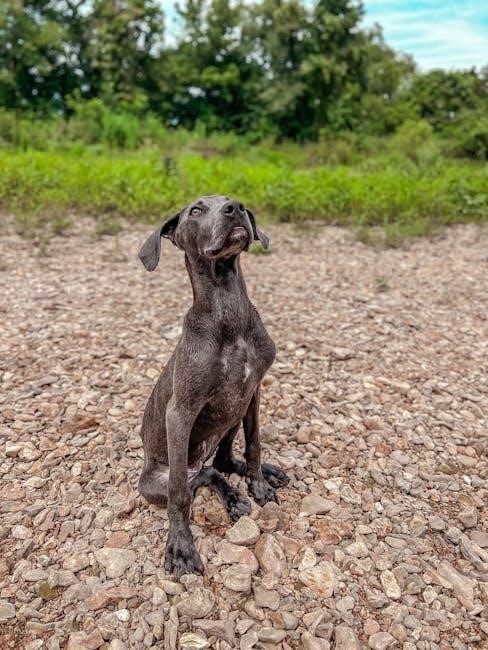
Utilizing a Great Dane growth chart is paramount for ensuring your puppy develops at a healthy pace. These charts detail expected weight and height ranges at specific ages, providing a benchmark for comparison. A three-month-old puppy typically weighs between 30-45 lbs and stands 17-23 inches tall, with significant growth anticipated.
Regularly plot your puppy’s measurements on the chart to identify any deviations from the norm. Consistent tracking allows for proactive adjustments to their diet, preventing both stunted growth and overly rapid development. Remember, charts are guidelines; individual variation exists, but significant outliers warrant veterinary consultation.
Feeding a Great Dane Puppy (6-12 Months)
As your Great Dane puppy approaches one year, dietary adjustments are crucial to support continued, yet controlled, growth. Transitioning to an adult food formula should begin gradually, mixing it with puppy food to avoid digestive upset. During this phase, puppies typically reach 70-105 lbs and 26-33 inches in height.
Meal frequency should be adjusted to twice daily feedings, ensuring consistent portion sizes. Monitor their body condition closely; avoid overfeeding, as rapid growth can exacerbate skeletal issues. While individual needs vary, maintaining a consistent feeding schedule is vital for overall health and well-being during this critical developmental period.
Transitioning to Adult Food
The shift from puppy to adult food for your Great Dane should be a gradual process, spanning approximately one to two weeks. Begin by replacing just 25% of the puppy food with the adult formula, slowly increasing this proportion each day. This methodical approach minimizes the risk of digestive disturbances like diarrhea or vomiting, common with abrupt dietary changes.
Observe your puppy closely for any signs of intolerance, such as loose stools or decreased appetite. If issues arise, slow down the transition or consult your veterinarian. Choosing a high-quality adult formula specifically designed for large breeds is essential to support their ongoing health and maintain optimal body condition.
Adjusting Meal Frequency to Twice Daily
As your Great Dane puppy approaches one year of age, transitioning to two daily meals is generally recommended. This schedule aligns with their slowing growth rate and helps establish a consistent routine. Dividing their daily food allowance into two portions – one in the morning and one in the evening – aids digestion and minimizes the risk of bloat.
Monitor your dog’s body condition closely after this change. Adjust the portion sizes as needed to maintain a healthy weight and ideal body shape. Consistent meal times also contribute to better digestive health and can help prevent behavioral issues related to hunger or anticipation.
Feeding an Adult Great Dane (1-3 Years)
Adult Great Danes, aged one to three years, require a balanced diet to maintain their large frame and active lifestyle. Optimal daily food portions vary based on activity level, metabolism, and individual needs, but typically range between four to eight cups of high-quality dog food. Consistent monitoring of their weight is crucial; adjust portions to prevent obesity or underweight conditions.
Maintaining a healthy weight is paramount for this breed, as excess weight exacerbates joint issues. Regular body condition scoring – feeling for ribs without excessive fat cover – helps ensure proper nutrition. Two meals daily remain ideal, supporting consistent energy levels and digestive health.
Optimal Daily Food Portions
Determining the optimal daily food portions for your adult Great Dane requires careful consideration. Generally, a range of four to eight cups of high-quality dog food is recommended, but this is a starting point. Active Danes will need more calories than less active ones. Monitor your dog’s body condition closely – you should be able to feel, but not prominently see, their ribs.
Adjust the amount based on weight fluctuations and energy levels. Dividing the daily ration into two meals helps with digestion and reduces the risk of bloat. Always refer to the feeding guidelines on your chosen dog food packaging as a reference point, but personalize it to your dog’s needs.
Maintaining a Healthy Weight
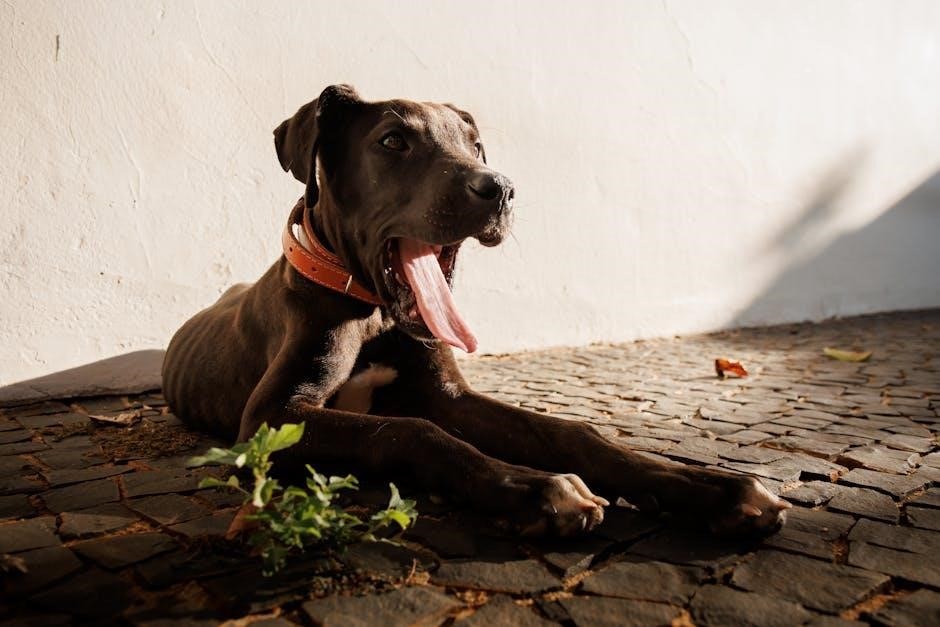
Maintaining a healthy weight is crucial for a Great Dane’s longevity and quality of life. Obesity puts significant strain on their joints and increases the risk of bloat and other health problems. Regular weight checks are essential – you should be able to feel their ribs with a slight fat covering.
Adjust food portions based on activity levels and body condition. Avoid free-feeding, as it makes portion control difficult. Consistent monitoring and adjustments are key. Remember, a lean body condition supports optimal health and reduces the risk of debilitating conditions common in this giant breed.
Feeding a Senior Great Dane (7+ Years)
As Great Danes age, their metabolic rate slows down, and activity levels typically decrease. Therefore, their dietary needs change. Adjusting food intake to match reduced energy expenditure is vital to prevent weight gain. Consider switching to a senior-specific dog food formula, often lower in calories and higher in fiber for digestive health.
These formulas may also contain joint supplements like glucosamine and chondroitin. Monitor your senior Dane’s body condition closely and adjust portions accordingly. Smaller, more frequent meals can aid digestion. Ensure fresh water is always available, as hydration is crucial for senior dogs.
Adjusting Food for Reduced Activity Levels
As Great Danes enter their senior years, a noticeable decline in activity is common. This reduced energy expenditure necessitates a careful adjustment of their food intake to prevent unwanted weight gain, which can exacerbate joint issues. Begin by decreasing their daily caloric allowance by approximately 10-20%, closely monitoring their body condition score.
Regularly assess their weight and adjust portions further as needed. Focus on maintaining lean muscle mass rather than simply restricting calories drastically. Consider incorporating more fiber into their diet to promote satiety and aid digestion. Remember, individual needs vary, so consistent observation is key.
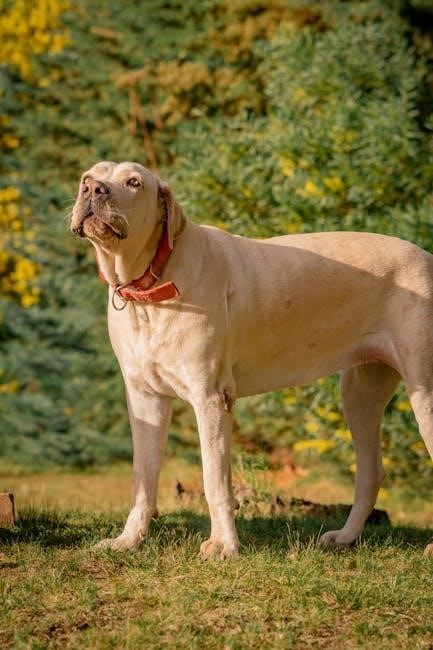
Considering Senior-Specific Dog Food Formulas
Transitioning your senior Great Dane to a specialized formula can provide significant benefits. These diets are typically lower in calories to address reduced activity levels and help maintain a healthy weight. They often include added joint support, such as glucosamine and chondroitin, crucial for this large breed.
Look for formulas with easily digestible proteins and moderate fat levels. Antioxidants are also beneficial, supporting cognitive function and overall health. However, carefully review ingredient lists, avoiding excessive fillers or artificial additives. Consult your veterinarian to determine the best senior formula tailored to your dog’s specific needs and health conditions.
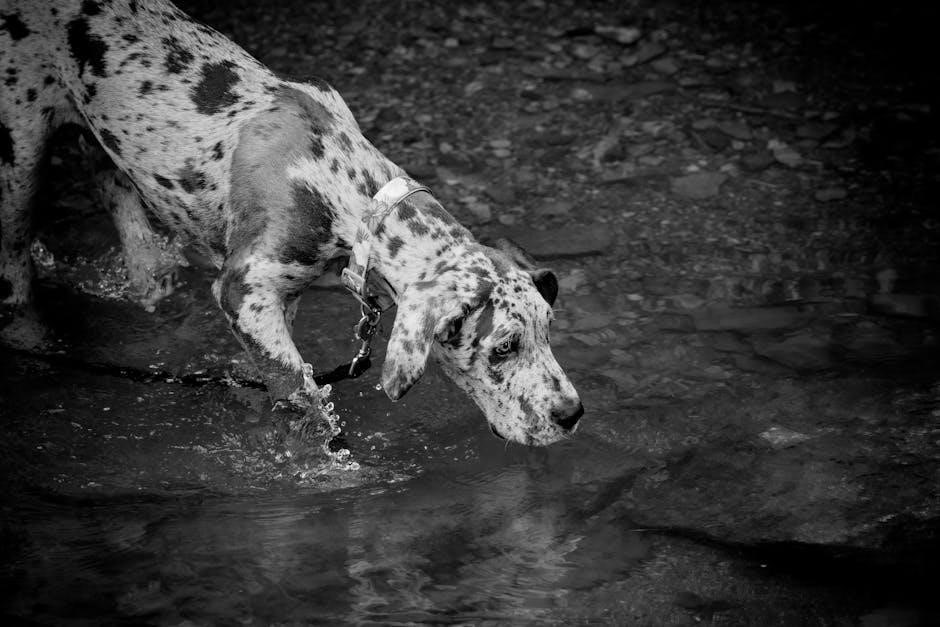
Choosing the Right Dog Food for Your Great Dane
Selecting the appropriate dog food is paramount for your Great Dane’s well-being. These giants require a diet formulated to support their rapid growth and maintain muscle mass. Protein is crucial, ideally from high-quality animal sources, fueling development and repair. However, excessive protein can strain kidneys, so moderation is key.
Fat content is equally important, providing energy and supporting coat health. Opt for moderate levels, avoiding diets too high or low in fat. Consider large-breed specific formulas designed to control calcium and phosphorus levels, promoting healthy bone development and minimizing skeletal issues. Always prioritize reputable brands with transparent ingredient lists.
Protein Requirements for Great Danes
Great Danes, as large and rapidly growing breeds, have specific protein needs throughout their lives. Puppies require a higher protein percentage – around 30-35% – to support their substantial muscle and bone development. However, it’s crucial to avoid excessive protein, as this can accelerate growth and potentially contribute to skeletal problems like hip dysplasia.
Adult Great Danes benefit from a moderate protein intake, typically 22-26%, maintaining muscle mass without overstressing their kidneys. The protein source is equally important; prioritize high-quality animal proteins like chicken, beef, or fish. Avoid foods with low-quality fillers or plant-based proteins as the primary source.
Fat Content and its Importance
Fat plays a vital role in a Great Dane’s diet, providing energy, supporting healthy skin and coat, and aiding in nutrient absorption. Puppies need a higher fat content – around 8-10% – to fuel their rapid growth. However, similar to protein, excessive fat can lead to rapid weight gain and potential joint issues.
Adult Great Danes thrive on a moderate fat level, typically 12-15%. Opt for healthy fat sources like fish oil, flaxseed oil, or chicken fat, which provide essential omega-3 and omega-6 fatty acids. These contribute to a shiny coat and overall well-being. Monitoring your Dane’s body condition is key to adjusting fat intake as needed.
The Risk of Bloat and How Feeding Practices Can Help Prevent It
Gastric Dilatation-Volvulus (GDV), commonly known as bloat, is a life-threatening condition prevalent in Great Danes due to their deep chests. Bloat occurs when the stomach fills with gas and twists, cutting off blood supply. Feeding practices significantly impact bloat risk.
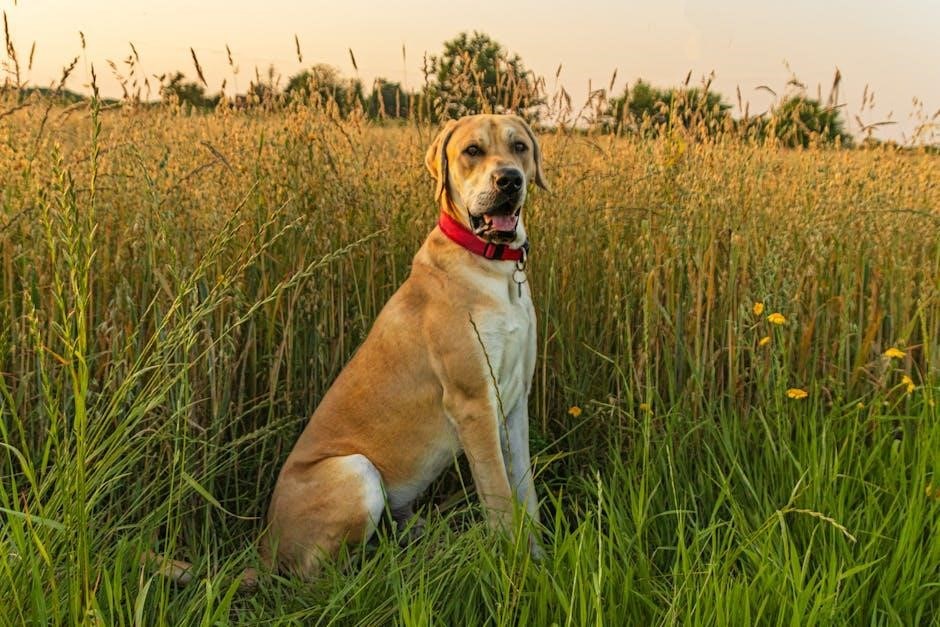
Dividing the daily ration into two meals, rather than one, helps reduce the volume of food in the stomach at any given time. Avoid vigorous exercise immediately before or after eating. Consider using a slow-feeder bowl to prevent rapid consumption. Elevating the food bowl is a debated topic, but may be beneficial for some dogs.
Supplements for Great Danes: Are They Necessary?
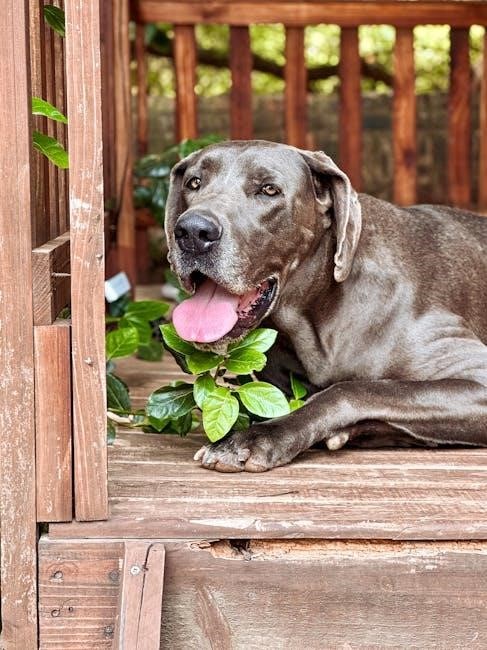
Generally, a high-quality, balanced dog food formulated for large breeds should provide most necessary nutrients for a Great Dane. However, certain supplements may be beneficial, particularly during rapid growth phases. Glucosamine and chondroitin can support joint health, crucial for this large breed, potentially mitigating the risk of dysplasia.
Omega-3 fatty acids promote skin and coat health, and may have anti-inflammatory properties. Probiotics can aid digestion, especially if a dog experiences sensitivities. Always consult your veterinarian before adding any supplements to your Great Dane’s diet, as excessive amounts can be harmful.
Foods to Avoid Feeding Your Great Dane
Certain foods pose risks to Great Danes due to their size and predisposition to bloat. Avoid offering cooked bones, as they can splinter and cause internal damage. Chocolate, onions, garlic, grapes, and raisins are toxic to dogs and should be strictly prohibited.
High-fat table scraps can contribute to obesity and pancreatitis. Raw diets carry a risk of bacterial contamination. Human foods with artificial sweeteners, like xylitol, are extremely dangerous. Limit access to large amounts of water immediately before or after meals to help prevent bloat. Prioritize a consistent, vet-approved diet.
Recognizing Signs of Overfeeding or Underfeeding
Overfeeding manifests as rapid weight gain, difficulty feeling ribs, and a noticeable increase in body fat. Lethargy and decreased activity levels can also indicate excess caloric intake. Underfeeding presents as visible ribs, a sunken appearance, and a lack of energy.
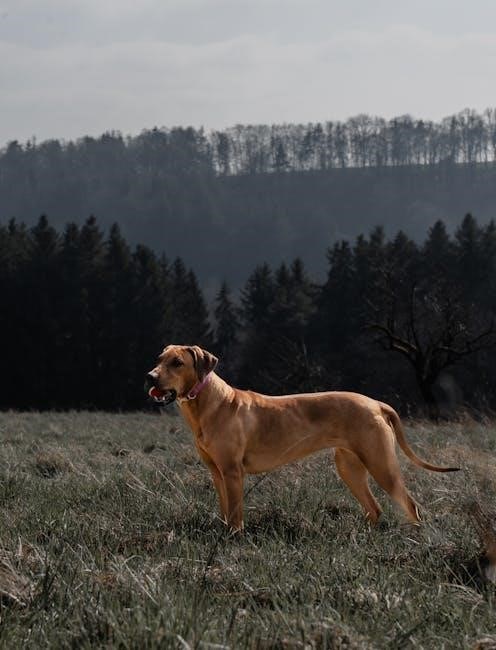
Slowed growth in puppies is a critical sign of insufficient nutrition. Regularly monitor your Great Dane’s body condition score – a visual and tactile assessment of fat cover. Consult your veterinarian if you observe any concerning changes in weight or appetite. Consistent monitoring is key to maintaining optimal health.
Creating a Personalized Feeding Plan
A tailored plan considers your Great Dane’s age, weight, activity level, and individual metabolism. Start with general guidelines, then adjust based on observation and veterinary advice. Monitor body condition regularly, aiming for a slightly visible waistline and easily palpable ribs.
Divide daily food portions into two meals to minimize bloat risk; Track food intake and weight changes to fine-tune the plan. Consider using a growth chart for puppies to ensure appropriate development. Remember, flexibility is crucial – adjust as your dog’s needs evolve.
Consulting with Your Veterinarian
Regular veterinary check-ups are paramount for optimizing your Great Dane’s diet. Discuss your dog’s current feeding plan and any concerns you have regarding weight, growth, or appetite. Your vet can assess your dog’s individual needs and recommend appropriate adjustments.
They can also advise on suitable food brands and supplement options. Specifically, discuss bloat prevention strategies and appropriate feeding amounts. Don’t hesitate to seek professional guidance if you notice any changes in your dog’s eating habits or overall health. Proactive veterinary care ensures a long and healthy life.